+86-13928815851


High-temperature environments can quietly shorten battery life. A unit mounted beside an engine, inside an outdoor cabinet, or near industrial equipment may face heat every day. Choosing a High Temperature Battery in 2026 is not just a matter of comparing capacity or price. The right choice depends on the actual temperature range, discharge demands, charging conditions, expected service life, and available space. Small details matter. A narrow enclosure can trap heat. A brief temperature spike also differs from continuous exposure.
Start with the equipment’s real operating profile, not its best-case specification. Check the manufacturer’s data for charging and discharging limits, usable capacity at elevated temperatures, cycle-life test conditions, and required thermal controls. Chemistry names alone are not enough; products within the same category can perform differently. Ask for current test reports and confirm their methods match your application. For remote sensors, backup systems, or vehicle equipment, consider maintenance access and replacement downtime. Those costs are easy to overlook.
There is no universal winner. A battery rated for heat may still need careful installation, ventilation, or monitoring. And a rating is not a guarantee. Compare documented performance with a representative load test, and involve a qualified engineer when failure could damage equipment or interrupt critical service. I would question unusually broad claims, too. Real conditions are messy, and one specification sheet rarely tells the whole story. A careful choice begins with evidence, then leaves room to revise assumptions.
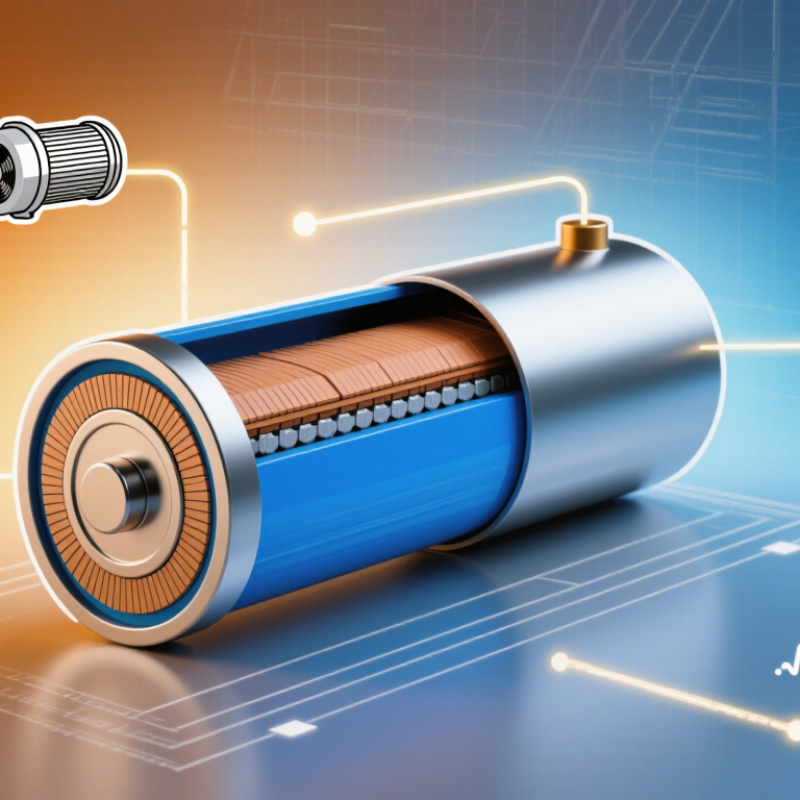
Before comparing battery types, define the temperatures the cells will actually experience. Ambient air is only part of the story. A sealed enclosure, nearby motor, or sunlit cabinet can push cell temperature well above room readings.
Record minimum and maximum temperatures, how long each extreme lasts, and how often the cycle repeats. Brief heat spikes differ from hours of sustained operation.
Separate charging, discharging, and storage conditions. Their allowable temperature ranges may differ, so check the exact limits in the cell’s technical documentation. Pay special attention to charging after a cold start; a battery may tolerate discharge but require warming before charging.
Also note current load, duty cycle, airflow, vibration, and available cooling space. These details shape real cell temperature. A sensor on the cabinet wall may not reflect the hottest cell. Use measurements near the battery pack, then validate them during representative operation.
No test is perfect. Repeat it under the worst credible conditions, and leave margin for aging and blocked vents. This estimate may still miss unusual weather or maintenance changes. That is worth admitting before choosing.
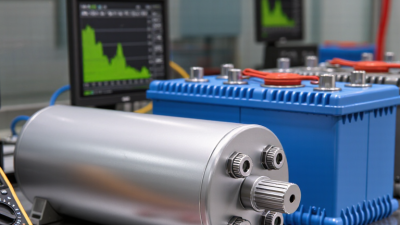
Choosing a high-temperature battery starts with defining “hot.” A battery beside a sunlit enclosure faces different stresses from one exposed to repeated charging and heavy current. Heat changes that. It can accelerate aging, and charging limits may differ from discharge limits.
Lithium iron phosphate cells often offer better thermal stability than nickel-rich lithium-ion chemistries, but they still need temperature control. Nickel manganese cobalt cells can provide greater energy density, while demanding careful heat management. Lithium titanate cells may suit frequent cycling or wider temperature ranges, though their lower energy density can require a larger pack. Check the specific cell’s operating limits; chemistry labels alone are not enough.
Some systems use nickel-metal hydride, which can be robust, but performance and self-discharge vary by design. Sodium-nickel chloride batteries are built to operate hot internally. They may suit steady industrial use, yet insulation and startup heating add complexity. Small details matter. Compare cell temperature during peak load, enclosure airflow, charging schedule, and expected cycle life. A brief bench test may miss months of gradual capacity loss, so test the actual duty cycle where possible. I would not trust one “best” chemistry chart without those conditions.
How to Choose a High Temperature Battery in 2026?
Evaluate Capacity, Power, Lifespan, and Thermal Safety
A battery’s nameplate capacity tells only part of the story. Ask for usable capacity after storage and cycling at the temperatures your equipment will actually face. Compare results at the same charge level, discharge rate, and test temperature. Heat can speed capacity fade, so a room-temperature datasheet is not enough. Small print matters. For a lifespan benchmark, U.S. DOE and USABC electric-vehicle battery goals list 1,000 cycles and 15 years of calendar life. These are reference targets under defined test conditions, not promises for every high-temperature application. I still check this twice: a strong cycle-life figure means little without the test temperature and end-of-life capacity threshold.
Match power ratings to real loads. Check both continuous and peak output, especially during motor starts or sudden demand. Ask whether the figures apply at elevated temperatures, not just briefly at room temperature. For safety, request thermal testing details, including state of charge and cell-to-module propagation results. UL 9540A provides a test method for evaluating thermal runaway and fire propagation in energy storage systems. Look for results, not just claims of “thermal stability.” Also inspect the cooling path, temperature sensors, and shutdown thresholds; a tested cell cannot compensate for a poorly designed enclosure. Lab tests still cannot reproduce every installation or climate.
Compare the battery’s permitted ambient operating temperature with its internal operating temperature: molten-salt batteries run hot inside by design, while lithium-ion and nickel-cadmium batteries have chemistry-specific temperature limits. Figures below are representative ranges, not guaranteed specifications; confirm limits and test conditions for the exact cell, module, and battery management system.
| Battery Chemistry | Temperature Considerations | Representative Specific Energy | Power Capability | Indicative Cycle Life | Thermal Safety Considerations | Typical Fit |
|---|---|---|---|---|---|---|
| Lithium iron phosphate (LFP) | Common cell limits are approximately 0–45°C for charging and up to about 60°C for discharging. High ambient temperatures can accelerate aging; these are not universal limits. | About 90–160 Wh/kg at cell level, depending on design. | Moderate to high; depends on cell format and allowable current. | Roughly 2,000–6,000 cycles in many designs, depending on depth of discharge, temperature, and end-of-life criteria. | Generally more thermally stable than nickel-manganese-cobalt lithium-ion cells, but still requires over-temperature protection, suitable charging controls, and propagation safeguards. | Stationary storage or equipment where the battery can be kept within its specified temperature limits. |
| Lithium titanate (LTO) | Some designs support operation across a broad temperature range, but charging and discharging limits are product-specific. Elevated temperature still shortens service life. | About 50–90 Wh/kg at cell level. | High; often selected for rapid charge and high-rate power delivery. | Often several thousand to over 10,000 cycles in suitable designs; test conditions vary substantially. | Typically strong thermal and abuse tolerance compared with many conventional lithium-ion designs. It is not immune to electrical faults or overheating. | High-power systems with frequent cycling or fast charging where lower energy density is acceptable. |
| Industrial nickel-cadmium (NiCd) | Temperature capability varies by cell design. Certain industrial designs are specified for elevated-temperature service; use the manufacturer’s rated charge and discharge limits. | About 40–60 Wh/kg at cell level. | High; can provide strong short-duration current, depending on design. | Approximately 1,000–2,000+ cycles in many industrial applications; maintenance and operating conditions matter. | Robust in demanding environments, but contains toxic cadmium and requires controlled handling and recycling. Charging can release gas under some conditions. | Industrial backup and critical applications that prioritize ruggedness and established maintenance practices. |
| Sodium-nickel chloride (NaNiCl2) | Cells operate internally at roughly 270–350°C and require insulation and heating to remain at operating temperature. This is not a normal ambient-temperature battery. | Approximately 90–120 Wh/kg at cell level; complete-system values are lower and design-dependent. | Moderate; generally better suited to sustained energy delivery than very high peak power. | Often around 3,000–4,500 cycles in published or specified designs; verify the depth-of-discharge and temperature test basis. | Sealed cells and insulation are essential. The high internal temperature creates burn and maintenance hazards; enclosure design and fault containment are important. | Stationary storage where long-duration operation and managed thermal insulation are acceptable. |
| Sodium-sulfur (NaS) | Cells typically operate internally at approximately 300–350°C and must be maintained hot. Standby heating and thermal management affect system design. | Roughly 150–240 Wh/kg at cell level in some designs; installed-system energy density is lower. | Moderate; commonly used for multi-hour stationary energy storage rather than compact, high-power applications. | Often reported in the range of about 2,500–4,500 cycles, with results dependent on design and operating profile. | High operating temperature and reactive sodium and sulfur make containment, fire protection, monitoring, and qualified maintenance essential. | Large stationary installations designed specifically for hot operation and engineered safety controls. |
Selection check: Size capacity from usable energy (kWh) after accounting for depth of discharge, conversion losses, temperature derating, and backup margin. Check continuous and peak power separately, compare cycle-life claims at the intended discharge depth and temperature, and confirm charging limits, cooling or insulation needs, certifications, and end-of-life recycling requirements.
Choosing a high-temperature battery in 2026 starts with the numbers behind the temperature rating. Check the permitted ranges for charging, discharging, and storage; they may differ. A battery rated for hot operation may still need a cooler charging window. Look for capacity, cycle-life, and power data at the temperatures your equipment will actually reach. Room-temperature figures alone can mislead.
Read the test conditions carefully. Was performance measured continuously at high temperature, or during brief exposure? Check whether the stated limit assumes reduced current, active cooling, or a specific enclosure. Small details matter. Compare the safety certifications with your intended application and installation location, and verify that the documents cover the complete battery system, not just individual cells. Certification marks are useful, but they do not replace checking the exact model and operating conditions.
Installation limits deserve equal attention. Confirm required clearances, mounting orientation, ventilation, cable size, and any restrictions on nearby heat sources. A sealed cabinet beside a warm motor can trap heat, even when the room feels comfortable. Follow the manufacturer’s limits for protective devices and temperature monitoring, and ask a qualified installer to review uncertain details. I would also leave margin below the maximum rating; real sites rarely match test conditions perfectly. That judgment can be inconvenient, and it should be revisited when the enclosure or duty cycle changes.
Check Specifications, Certifications, and Installation Limits
These are common reference limits for lithium-ion cells, not universal ratings: charging is often limited to 45°C and discharging to 60°C. Confirm the exact temperature range in the battery manufacturer’s datasheet, along with required certifications and installation conditions. Never use these figures as a substitute for product-specific limits.
How to Choose a High Temperature Battery in 2026?
Match the Battery to the Application and Verify Performance
Choose a battery for the temperatures it will actually encounter, not just the peak listed in a project plan. Check the manufacturer’s operating and storage limits, and confirm whether charging is permitted at your expected temperature. A sensor near a hot motor may read differently from one inside the battery enclosure. Location matters.
Match the chemistry, capacity, and service life to the job. A remote sensor sending brief readings has different needs from equipment drawing steady current for hours. Review capacity at temperature, cycle-life data, discharge rate, and any derating guidance. Ask for test conditions, too. Numbers without context can mislead.
Tips: Test a representative battery in the real enclosure, under realistic loads and temperature cycles. Log voltage and temperature during both operation and charging. Leave room for wiring, airflow, and mounting constraints. If results vary, investigate before scaling up; one test is rarely enough. I might be tempted to choose the smallest unit that fits, but that can leave little margin as cells age. Verify the datasheet against your measured conditions, and document any gaps before final selection.