2026 Best Ultra Thin Batteries for Efficient Power Solutions?
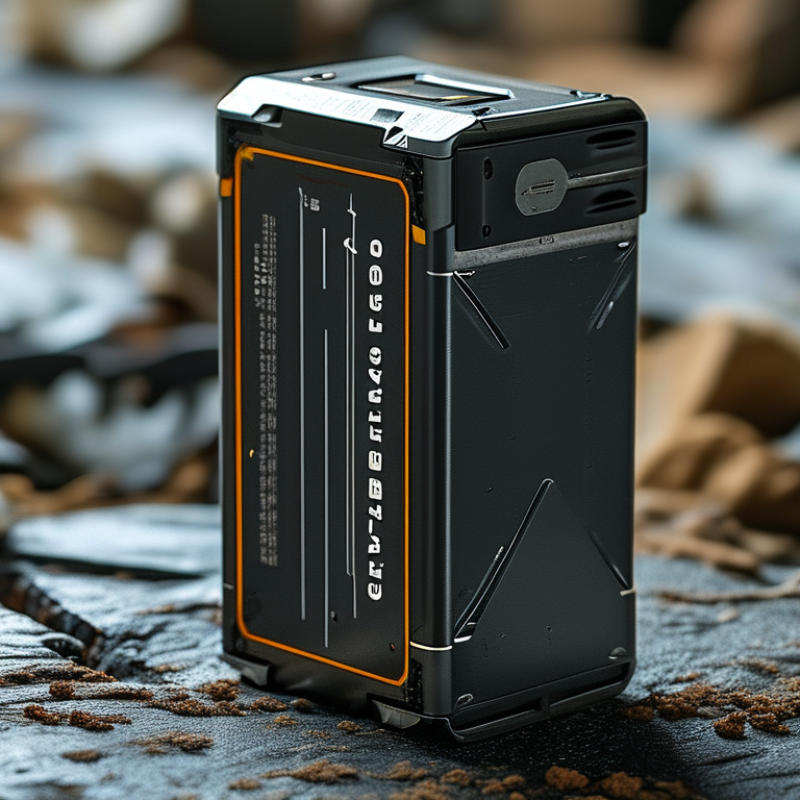
In the quest for innovative power solutions, Ultra-Thin Batteries emerge as a game-changer. Prolific advancements in battery technology have led to these sleek power sources that offer both efficiency and portability. Industries, including consumer electronics and electric vehicles, are increasingly adopting these compact batteries.
Despite their advantages, challenges remain. Manufacturers face hurdles in optimizing battery life and stability. Users must remain cautious about performance in extreme conditions. The evolution of Ultra-Thin Batteries invites both excitement and critical evaluation of long-term viability.
As we explore the best Ultra-Thin Batteries for 2026, it’s essential to highlight both potential and limitations. Delving into specifics can unveil the best options for enhancing efficiency. Choosing wisely can make a significant difference in power solution effectiveness.
Understanding Ultra Thin Battery Technology and Its Significance
Ultra thin batteries represent a transformative technology in energy storage. Their compact design allows integration into various devices, from wearables to medical implants. According to a report by IDTechEx, the ultra-thin battery market is expected to reach $7 billion by 2028. This growth highlights their potential impact on consumer electronics and other industries.
Understanding their significance involves exploring energy density, weight, and production methods. These batteries typically offer a better power-to-weight ratio compared to traditional cells. Moreover, advancements in materials, such as graphene and lithium-sulfur, enable higher performance. Yet, challenges remain. Some manufacturers face issues with durability and heat dissipation. Balancing thinness and longevity is crucial for wider application.
Tip: When considering ultra-thin batteries, examine their compatibility with your device. Ensure the power requirements match the battery specifications for optimal performance.
Additionally, be aware of the environmental impact. Battery disposal and recycling are ongoing concerns. The industry needs to address these issues to create sustainable energy solutions. As technology evolves, the quest for better performance will continue, pushing the boundaries of what ultra-thin batteries can achieve.
2026 Best Ultra Thin Batteries for Efficient Power Solutions
Key Features of the Best Ultra Thin Batteries
When exploring the landscape of ultra-thin batteries, several key features stand out. These batteries are not only lightweight but also pack a high energy density. They often utilize advanced materials like lithium polymer or graphene. Such innovations enhance their performance, making them ideal for portable electronics. Their compact nature allows for integration into slim devices, revolutionizing gadget design.
Another essential aspect is longevity. Many ultra-thin batteries offer impressive cycle life. Users benefit from batteries that maintain their charge capacity over time. However, not all products meet these expectations consistently. Manufacturers still face challenges in balancing thickness and energy output. Furthermore, heat dissipation remains a critical concern. Battery efficiency can drop if heat management isn't properly addressed.
Safety features also play a significant role. Reliable batteries include mechanisms to prevent overcharging and overheating. Consumers should prioritize options with built-in protection systems. Despite advancements, the risk of failure exists. Users must remain vigilant and choose reputable products. Through informed choices, they can enjoy the benefits of ultra-thin batteries while minimizing potential drawbacks.
Top Applications for Ultra Thin Batteries in Various Industries
Ultra-thin batteries are driving innovation across multiple sectors. Their sleek design and lightweight nature cater to the growing demand for portable electronics. According to recent industry research, the global ultra-thin battery market is projected to reach $5.2 billion by 2025. This growth reflects not only technological advancements but also evolving consumer preferences.
In the medical field, ultra-thin batteries play a critical role. Devices like wearable health monitors and implantable sensors require compact power solutions. These batteries enable longer usage, enhancing patient care. A report indicated that over 80% of healthcare professionals see battery life as a key factor in device effectiveness. The ability to miniaturize ensures that these devices remain unobtrusive while maintaining functionality.
The consumer electronics industry is also heavily invested in ultra-thin technologies. Smartwatches and wireless earbuds benefit immensely from these batteries. They provide efficient energy without bulk. The challenge remains in ensuring longevity and safety. As manufacturers strive for thinner designs, battery life often suffers. Balancing size and performance is an ongoing concern. Industry experts note that optimizing these batteries for efficiency is vital as applications continue to expand.
Comparison of Leading Brands and Models of Ultra Thin Batteries
In the quest for efficient power solutions, ultra-thin batteries are gaining traction. Their compact design enables them to fit into various applications, from wearables to smart devices. The market offers diverse options, each with distinct features and performance metrics.
When evaluating ultra-thin batteries, consider the energy density. This indicates how much power a battery can store within its size. A higher energy density leads to longer usage times and less frequent charging. Additionally, look into the cycle life of the batteries. This metric reflects how many charge and discharge cycles the battery can endure before its capacity significantly declines.
Tips for choosing the right battery include assessing temperature performance. Different models react variably under diverse conditions. Also, consider the environmental impact of the battery materials. Eco-friendly options are emerging, yet many still rely on harmful components. Researching these factors can reveal gaps in the market and inspire innovation.
2026 Best Ultra Thin Batteries for Efficient Power Solutions
| Model |
Thickness (mm) |
Capacity (mAh) |
Voltage (V) |
Weight (g) |
Applications |
| Ultra Battery A |
1.2 |
300 |
3.7 |
15 |
Wearable Devices |
| Ultra Battery B |
1.0 |
450 |
3.7 |
10 |
Smartphones |
| Ultra Battery C |
1.5 |
250 |
3.8 |
20 |
IoT Devices |
| Ultra Battery D |
0.8 |
600 |
3.7 |
8 |
Drones |
| Ultra Battery E |
1.3 |
400 |
3.6 |
12 |
Tablets |
Future Trends in Ultra Thin Battery Development and Innovation
The future of ultra-thin battery technology is evolving rapidly. Innovations are focused on enhancing energy density and reducing weight. Researchers are exploring new materials, like solid-state and lithium-sulfur batteries, which show promise. These advancements aim to meet the demands of sleek devices and electric vehicles.
Tips: When choosing batteries, look for certifications that ensure safety and reliability. Evaluate the energy-to-weight ratio, as this significantly impacts performance.
One emerging trend is flexible batteries. They can fit into various designs, supporting wearable technology and foldable gadgets. However, there are challenges. Manufacturing ultra-thin batteries that maintain stability and longevity is complex. Finding the right balance between thickness and capacity remains a crucial hurdle.
Tips: Always consider the intended use of the battery. A high capacity might not be necessary for low-power devices. Prioritize efficiency over size when possible.
The path forward is bright, yet imperfect. Innovations must also address environmental concerns. Recycling processes for thin batteries are not yet optimized. This area needs more attention to create sustainable solutions. Researchers must focus on not just performance, but also ecological impact.

 +86-13928815851
 CONTACT NUMBER
 CONTACT NUMBER