The Ultimate Guide to Choosing the Best 3.7V Lipo Battery for Your Needs
In the ever-evolving world of technology, selecting the right components can make all the difference in ensuring optimal performance and longevity. When it comes to powering devices, the 3.7 V Lipo Battery has emerged as a popular choice among hobbyists, engineers, and everyday consumers alike. As Dr. Emily Stevens, an industry expert in battery technology, aptly states, "Choosing the right battery is crucial; it can significantly enhance the efficiency and reliability of your device." Her insights reflect the importance of understanding the characteristics and applications of 3.7 V Lipo Batteries.
Navigating through the myriad of options available in the market can be overwhelming, especially for those unfamiliar with battery specifications. This guide aims to simplify the selection process by outlining the key factors to consider when choosing a 3.7 V Lipo Battery. From capacity and discharge rates to safety features and charging protocols, each aspect plays a vital role in the performance of your electronic equipment. Whether you're powering drones, RC vehicles, or portable electronics, making an informed decision will not only improve your experience but also extend the lifespan of your devices.

Understanding the Basics of 3.7V Lipo Batteries
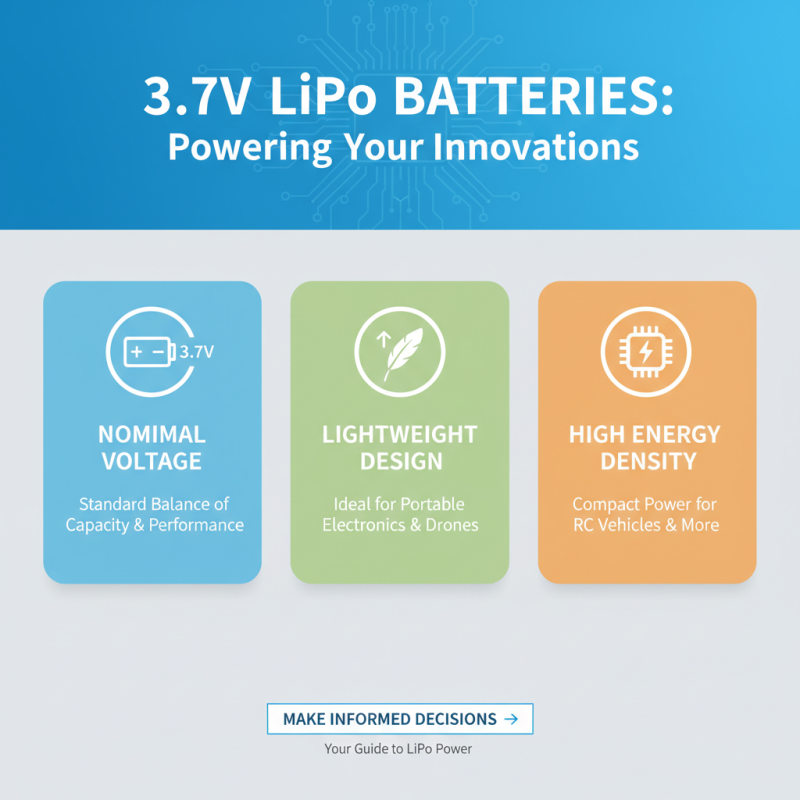
When exploring the world of 3.7V LiPo (lithium polymer) batteries, it’s essential to grasp their fundamental characteristics and advantages. The 3.7V nominal voltage is a standard for many lithium polymer cells, providing a balance between capacity and performance. These batteries are known for their lightweight design and high energy density, making them popular choices for a variety of applications, from remote-controlled vehicles to drones and portable electronics. Understanding these basics prepares you to make informed decisions when it comes to selecting the right battery for your specific needs.
Another crucial aspect of 3.7V LiPo batteries is their discharge rates and capacity. A battery’s capacity is measured in milliampere-hours (mAh), indicating how much energy the battery can store and deliver over time. Higher mAh ratings typically mean longer usage time, which is particularly important for applications that require sustained power. Additionally, the discharge rate, often rated in "C," defines how quickly the battery can release its stored energy. Choosing a battery with the appropriate discharge rate is vital to ensure that your device operates efficiently without risk of overheating or damaging the battery. Understanding these basic principles will help you select a battery that meets your needs without compromising safety or performance.
Key Specifications to Consider When Selecting a Battery
When selecting a 3.7V LiPo battery, key specifications play a crucial role in ensuring optimal performance for your specific needs. First and foremost, consider the capacity, measured in milliamp hours (mAh). A higher capacity translates to longer usage time; however, it is important to balance this with weight and size, especially for applications in drones or RC vehicles where weight is critical.
Another essential specification is the discharge rate, indicated by the ‘C’ rating. This tells you how quickly the battery can safely discharge its stored energy. A higher C rating is necessary for high-performance devices that demand quick bursts of power, while lower ratings may suffice for less intensive applications. It's also important to examine the physical dimensions of the battery to ensure it fits within your device’s design.
Tips: When evaluating different batteries, always check the manufacturer’s recommended discharge rates to prevent overloading the battery, which can lead to damage. Additionally, consider the battery's lifespan and cycle count; a higher cycle count often indicates better durability and longevity. Finally, ensure that the connectors are compatible with your device to avoid any installation issues.
Different Applications and Their Required Battery Types
When it comes to selecting the right 3.7V LiPo battery, it’s essential to understand the distinct applications and the specific battery types they require. For instance, in the realm of consumer electronics, such as smartphones and tablets, a battery with high energy density and lightweight characteristics is paramount. According to industry data from the Battery University, LiPo batteries can achieve energy densities of around 150-200 Wh/kg, making them an excellent option for portable devices where size and weight constraints are critical.
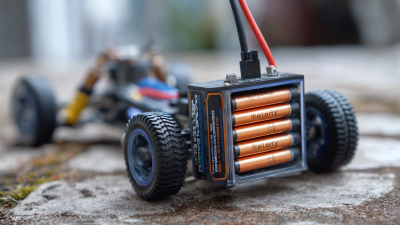
In contrast, applications like remote control (RC) vehicles or drones demand batteries that offer high discharge rates alongside decent longevity. Research published by the International Journal of Electrical Engineering highlights that LiPo batteries designed for RC applications typically feature a discharge rate of 10C to 50C, allowing for rapid power delivery to enhance performance during intensive tasks such as acceleration or heavy lifting. These batteries are engineered to withstand the stresses of high-power output, ensuring durability and reliability.
Moreover, for energy storage systems or solar applications, where efficiency over extended periods is crucial, selecting a LiPo battery with a lower discharge rate but higher capacity can be advantageous. Analytical reports indicate that for these use cases, batteries with capacities ranging from 3000mAh to 8000mAh are optimal, as they offer the necessary equilibrium between discharge rate and retention time. Understanding these nuanced requirements is vital to making the right choice for your specific needs in a growing array of applications.
Safety Tips for Handling and Using Lipo Batteries
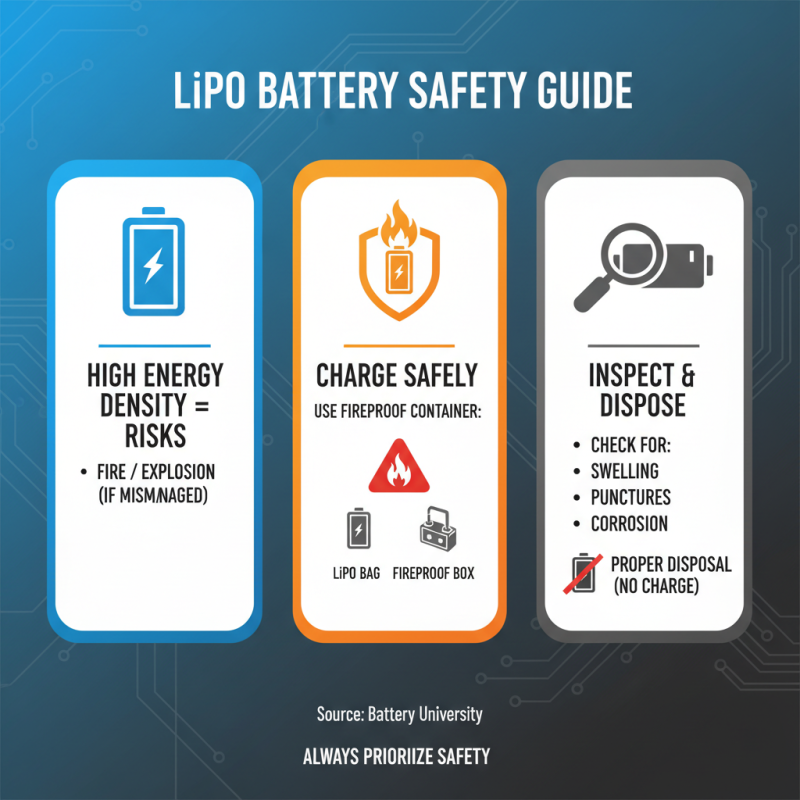
When it comes to handling and using LiPo batteries, safety should always be a top priority for enthusiasts and professionals alike. According to the Battery University, LiPo batteries can deliver a high energy density, but they also come with specific risks, including the potential for fire or explosion if improperly managed. Users should always charge their batteries in a fireproof container, such as a LiPo bag or a fireproof box, to minimize the risk of damage in case of a failure. Additionally, it is crucial to regularly inspect the batteries for any signs of damage, such as swelling, punctures, or corrosion, and to properly dispose of any batteries that no longer hold a charge effectively.
Another essential safety tip is to ensure that the batteries are used within the recommended voltage and current specifications. Overcharging or discharging beyond the prescribed limits can lead to thermal runaway, a dangerous condition that can cause batteries to catch fire or explode. Industry reports indicate that maintaining a charge level between 3.0V and 4.2V per cell is vital for optimal performance and longevity. Moreover, users are advised to consider using a balance charger to ensure that each cell within a multi-cell pack is charged evenly, preventing overcharge and extending the battery's lifespan. Understanding and adhering to these safety tips can significantly enhance the safe usage of LiPo batteries while maximizing their performance in various applications.
Maintenance Practices to Extend Battery Lifespan
Proper maintenance of your 3.7V LiPo battery is essential for maximizing its lifespan and ensuring optimal performance. One of the most crucial practices is to avoid over-discharge. LiPo batteries are sensitive to voltage levels, and discharging them below the recommended voltage can lead to permanent damage. Always monitor the battery’s voltage and recharge it when it reaches around 3.3V per cell. Using a reliable charger specifically designed for LiPo batteries can help manage the charging process effectively, preventing overcharging and overheating.
Another important aspect of battery maintenance is storage. If you anticipate that you won't be using the battery for an extended period, it's best to store it at a partial charge, around 3.7V to 3.85V per cell. This storage voltage helps minimize the risk of damage while keeping the battery in a stable state. Additionally, keep the battery in a cool, dry environment away from direct sunlight and excessive heat, as extreme temperatures can lead to reduced capacity and increased risk of swelling or other hazards. By adhering to these maintenance practices, you can significantly enhance the longevity and reliability of your LiPo battery.

 +86-13928815851
 CONTACT NUMBER
 CONTACT NUMBER