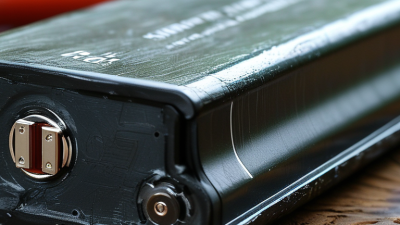
Top 10 Lipo Battery Buying Tips You Should Know?
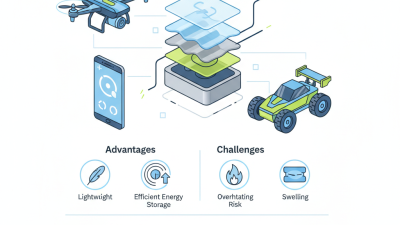
When investing in a Lipo Battery, it's vital to understand what makes a good choice. These batteries are popular for many devices, such as drones and RC cars. Their lightweight and high energy density make them appealing. However, selecting the right Lipo Battery can be confusing.
There are many factors to consider. The voltage, capacity, and discharge rate can affect battery performance. You may also need to think about safety features and brand reputation. Not all brands are created equal, and quality can vary significantly. A poor choice may lead to issues, including reduced lifespan or safety hazards.
Detailed knowledge is essential for making an informed decision. By understanding the proper specifications and features of a Lipo Battery, you can enhance your experience with your device. Mistakes in battery selection can be frustrating and costly. It’s important to engage with proper research and expert reviews before making a purchase.
Understanding Different Types of Lipo Batteries: A Comprehensive Overview
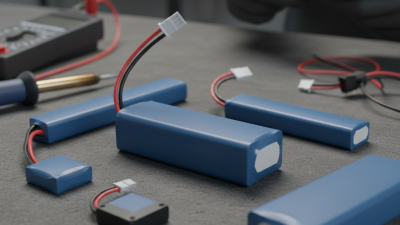
When exploring different types of LiPo batteries, understanding their variations can greatly inform your purchase. LiPo, short for lithium polymer, offers several types such as soft pack, hard case, and customized shapes. Soft pack batteries are lightweight and flexible, making them suitable for drones and models with limited space. Hard case packs provide better protection and are ideal for high-performance applications like racing.
Another critical factor to consider is the C-rating. This metric indicates the battery's discharge capabilities. A higher C-rating means the battery can deliver more power and handle demanding applications. However, many overlook the importance of this specification. Using a battery with a lower C-rating than required can lead to overheating and performance issues. It is essential to match your battery choice with your equipment's requirements.
Safety is also paramount with LiPo batteries. Risks include fire hazards if batteries are punctured or improperly charged. Understanding how to store and charge these batteries might be challenging for beginners. Regularly checking for swelling or damage can prevent accidents. Engaging with user communities can offer valuable insights. Sharing experiences can help build knowledge about safe handling and maintenance of LiPo batteries.
Assessing Battery Capacity: Choosing the Right mAh for Your Needs
When choosing a lipo battery, understanding capacity is crucial. Battery capacity is measured in milliamp hours (mAh). It determines how long your device can run. For example, a 1500mAh battery can provide 1500mA for one hour. This information is essential when selecting the right battery for your needs.
Experts recommend calculating the average current draw of your device to determine the ideal mAh. If your device requires 500mA, a 1500mAh battery would last three hours. However, consider that not all energy is used efficiently. Real-world usage often results in a shorter lifespan than theoretical calculations.
One critical factor often overlooked is the weight-to-capacity ratio. As capacity increases, batteries become heavier. For portable devices, weight can significantly affect usability. A heavier battery may decrease the overall efficiency of your device. Balancing between capacity and weight is key. Reflect on your usage patterns. Do you prioritize longer run times or lightweight design? Choosing the right mAh is a blend of understanding your specific needs and the limitations of battery technology.
Important Factors in Lipo Battery Discharge Rates and C Ratings
When choosing a lipo battery, understanding discharge rates and C ratings is essential. Discharge rates indicate how quickly a battery can release its stored energy. The C rating reflects the maximum current a battery can deliver safely. For example, a battery rated at 20C can theoretically release 20 times its capacity in amps. This is crucial for performance, especially in high-demand applications like racing drones or RC vehicles.
It's important to consider the application when selecting a battery. If a battery is too low in C rating, it may not provide enough power. This can lead to voltage drops and reduced performance. Conversely, choosing a battery with an excessively high C rating can result in unnecessary weight and cost. Experimentation may help in finding the right balance.
Some users opt for higher discharge rates without fully understanding the implications. Higher ratings can mean increased wear on the battery over time. Inadequate charging practices can also exacerbate issues. Therefore, it's wise to assess your needs carefully and invest in proper charging equipment. Always be cautious and make informed choices to ensure longevity and safety of your batteries.
Evaluating Battery Compatibility with Your Devices and Chargers
When purchasing lipo batteries, evaluating compatibility with your devices and chargers is crucial. Many devices have specific voltage and size requirements, which can lead to performance issues if not matched correctly. A study by the Battery University indicates that improper pairing can reduce battery life by up to 40%. Knowing your device's specifications is key. For example, devices operating at different voltages may cause overheating, resulting in damages.
Battery connectors and discharge rates are also vital aspects. Many batteries come with various connector types, like XT60 or Deans. Ensure that the connector matches your device to avoid complications. A report by the Journal of Power Sources notes that mismatched connectors can lead to risks during use, including potential short-circuits. Pay careful attention to these details when selecting.
Compatibility isn’t just about the battery fitting your device. It's also about the charger. Not all chargers accommodate every lipo battery type. Using an incompatible charger may lead to dangerous overcharging. Always verify charger specifications and make sure it suits your battery type. Research shows that improper charging can degrade battery performance by up to 30%. Prioritize understanding these elements to ensure safe and effective use of your lipo batteries.
Safety Considerations: Preventing Damage and Ensuring Longevity of Lipo Batteries
When working with LiPo batteries, safety is crucial. These batteries can be volatile if handled improperly. Always store them in a fireproof bag or container. This can help contain any accidental fires or explosions. Your storage area should also be cool and dry. High temperatures can degrade battery performance and shorten their lifespan.
Charging practices are equally important. Use a charger specifically designed for LiPo batteries. Monitor the charging process closely and never exceed the recommended voltage. Overcharging can lead to swelling or even bursting. Be aware of physical signs of problems, like bulges or discoloration. If you notice anything unusual, it is safer to dispose of the battery, rather than risk potential hazards.
Despite their popularity, many users overlook basic safety protocols. Neglecting to balance charge your batteries can lead to uneven wear. This accelerates aging and reduces overall performance. Strive to develop a consistent routine. Regularly check battery health and perform necessary maintenance. Building good habits can prolong the life of your LiPo batteries significantly.

 +86-13928815851
 CONTACT NUMBER
 CONTACT NUMBER