Top Reasons to Choose 3s Lipo Battery for Your Needs?
When searching for the ideal battery solution, the 3s Lipo Battery stands out. It offers a unique combination of power and performance. This type of battery is popular among enthusiasts and professionals alike. Its three-cell configuration allows for impressive voltage output. Users frequently report higher efficiency and longer runtimes.
Choosing the right battery can be confusing. Many options exist, and not all are reliable. The 3s Lipo Battery provides stable power delivery, essential for demanding applications. Whether for drones, RC cars, or other devices, this battery has proven its worth. It remains a top choice among experts in the field.
Investing in a 3s Lipo Battery means investing in quality. However, potential users must be aware of proper handling. Poor usage can lead to diminished performance. Careful consideration and respect for safety guidelines enhance the overall experience. This battery truly enables users to meet their unique power needs.
Understanding the Basics of 3s Lipo Batteries
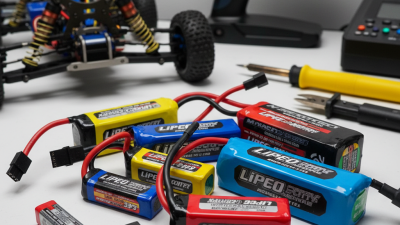
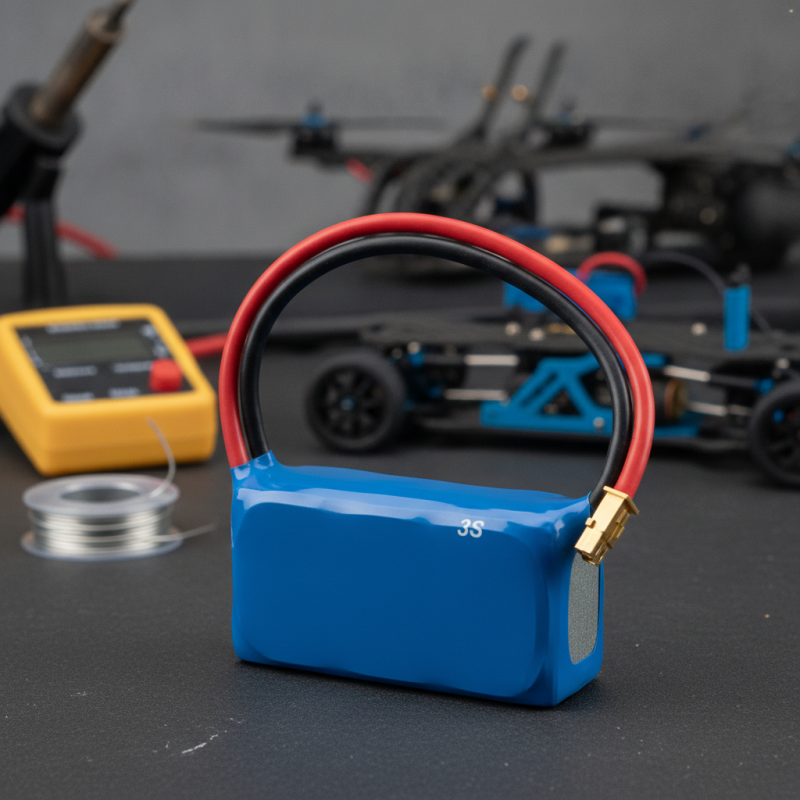
When choosing a power source for your RC devices or drones, understanding 3s LiPo (Lithium Polymer) batteries is essential. A 3s LiPo battery consists of three cells connected in series. Each cell typically has a nominal voltage of 3.7 volts, providing a total of 11.1 volts. This configuration delivers a suitable balance between power and weight. This makes them ideal for many applications, including aerial photography and competitive racing.
3s LiPo batteries are known for their high energy density. This means they can deliver significant power without being too bulky. However, they require careful handling. Overcharging or deep discharging can lead to battery failure or hazards. Users must also be aware of the proper charging techniques. Monitoring the voltage of each cell is crucial. Neglecting this can result in performance issues or damage to your device.
Another point to consider is the battery's discharge rate. A higher C rating indicates a battery can deliver more current safely. Yet, selecting a battery with a lower C rating may seem cost-effective initially. In some cases, it could result in poor performance or shortened battery life. Balancing cost and performance can be challenging, but it's an essential part of selecting a 3s LiPo battery for your needs.
Key Advantages of Using 3s Lipo Batteries for Power Needs
3s LiPo batteries offer significant advantages for various power applications. Their lightweight design coupled with a high energy density makes them ideal for drones and RC vehicles. Users appreciate the ability to quickly charge these batteries, often reaching a full charge in under an hour. This rapid charging capability enhances productivity, especially in competitive scenarios.
Another key benefit of 3s LiPo batteries is their stable voltage output. Maintained voltage ensures that devices perform consistently, reducing the risk of sudden power loss. This reliability is essential during long flights or races. However, one must consider the delicate nature of LiPo batteries; they require careful handling and appropriate charging settings. Mismanagement can lead to safety issues, making knowledge and experience crucial for users.
The versatility of 3s LiPo batteries also stands out. They cater to various needs, from hobbyist projects to professional applications. Yet, as with any battery technology, drawbacks exist. Their lifespan can diminish with improper care, and performance can vary based on environmental conditions. Users must balance these factors to optimize their use effectively.
Applications and Usage Scenarios for 3s Lipo Batteries
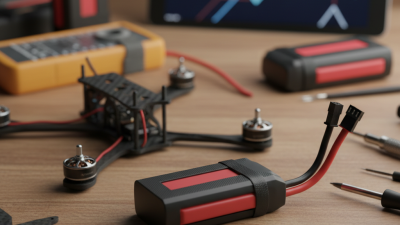
3s LiPo batteries are versatile power sources suitable for various applications. They are commonly used in remote-controlled vehicles, drones, and electric skateboards. These batteries provide high energy density and deliver consistent voltage, making them ideal for devices requiring reliable performance. The weight-to-power ratio is another significant advantage. Lighter batteries enhance the maneuverability of drones and racing cars.
Many enthusiasts choose 3s LiPo batteries for hobby projects. They are especially popular among RC hobbyists. These batteries can be integrated into multiple setups, from hobby-grade drones to advanced robotics. However, users must consider the safety aspects. Mishandling LiPo batteries can lead to hazards; thus, proper charging and storage are essential.
3s LiPo batteries also find usage in professional applications. They power tools, LED lights, and portable electronics. Some users report challenges with battery longevity and performance under extreme temperatures. Maintenance is crucial for maximizing battery lifespan. Learning about care and usage is an integral part of benefiting from these batteries effectively.
Top Reasons to Choose 3s Lipo Battery for Your Needs
| Dimension |
Value |
Usage Scenario |
| Voltage |
11.1V |
RC Vehicles |
| Capacity |
2200mAh |
Drones |
| Weight |
190g |
Multirotor Applications |
| Discharge Rate |
30C |
Electrics Cars |
| Cycle Life |
300-500 cycles |
FPV Racing |
| Temperature Range |
-20°C to 60°C |
Extreme Weather Applications |
Comparing 3s Lipo Batteries with Other Battery Types
When comparing 3s LiPo batteries with other types, several key factors come into play. LiPo batteries are known for their high energy density. They deliver more power while remaining lightweight. This characteristic is crucial for applications like drones and remote control vehicles, where every gram counts. In contrast, other battery types, such as NiMH, often weigh more and provide less performance per weight.
Another aspect to consider is discharge rate. 3s LiPo batteries excel in this area, offering high discharge rates suitable for demanding applications. This means they can deliver bursts of power quickly. Other batteries might struggle with this requirement, limiting their use in high-performance scenarios. Yet, the higher discharge abilities of LiPo can sometimes lead to overheating issues if not monitored properly.
Lastly, the lifespan and maintenance differ greatly. LiPo batteries require careful charging and storage to prevent damage. Users must understand balancing and cell health management. Other batteries might offer easier maintenance but at the cost of performance. Reflecting on these details is essential in choosing the right battery type for specific needs.
Maintenance and Care Tips for Optimal 3s Lipo Battery Performance
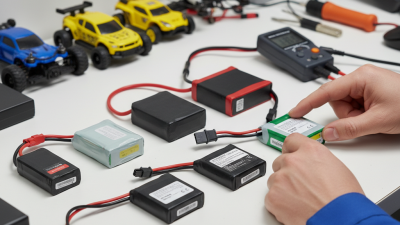
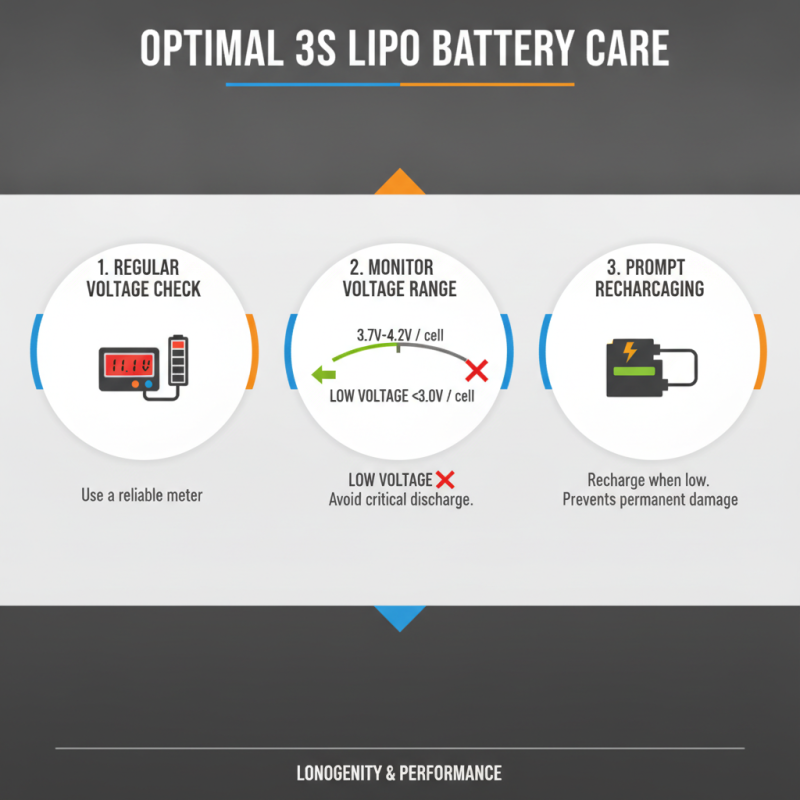
Proper maintenance of a 3s Lipo battery is vital for its longevity and performance. Regularly check the battery’s voltage. A well-maintained battery operates within an optimal voltage range. Use a reliable voltage meter to monitor this regularly. If you notice a dip in voltage, recharge the battery promptly. Ignoring low voltage can lead to permanent damage.
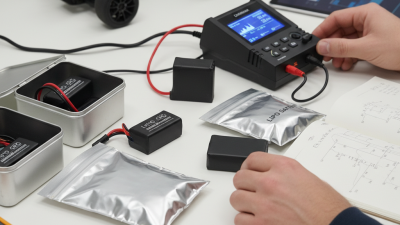
Storage is another crucial aspect. Keep your Lipo battery in a cool, dry place. Extreme temperatures can affect performance. Ideally, store it at approximately 3.7 volts. This will help maintain its health during periods of inactivity. Some enthusiasts suggest using a fireproof bag for added safety during storage.
Charging requires attention too. Use a compatible charger, as incorrect charging can lead to failures. It’s important to balance charge all cells within the battery. Neglecting this can result in uneven wear, decreasing the battery's lifespan. Be cautious and don't rush the process; patience will pay off in performance. Making small adjustments to your care routine can greatly enhance reliability.

 +86-13928815851
 CONTACT NUMBER
 CONTACT NUMBER