What is a Lipo Battery and How Does It Work?
Lipo batteries, short for lithium polymer batteries, are widely used today. They power various devices, from smartphones to drones. Understanding how a Lipo battery works can enhance your knowledge about its applications and maintenance.
These batteries consist of lithium-ion cells. They store energy in a compact form, making them lightweight and efficient. Lipo batteries have unique features that set them apart from traditional batteries. However, with their advantages come challenges. Improper use can lead to safety risks.
It’s important to handle Lipo batteries carefully. Charging practices and storage conditions matter significantly. Issues like swelling or overheating can occur if not monitored. Recognizing these factors can prevent problems and ensure longevity. Ultimately, understanding a Lipo battery enables users to maximize its potential while maintaining safety.
What is a Lithium Polymer (LiPo) Battery?
A lithium polymer (LiPo) battery is a type of rechargeable battery. It uses a polymer electrolyte instead of a liquid electrolyte. This design makes LiPo batteries lighter and more flexible than traditional lithium-ion batteries. They are commonly used in devices like drones, smartphones, and electric vehicles.
LiPo batteries come in various sizes and capacities. Users must understand their specific requirements. Overcharging a LiPo battery can lead to dangerous situations, including fires or explosions. Therefore, safe charging practices are essential. Many hobbyists might skip these precautions, thinking it won’t happen to them.
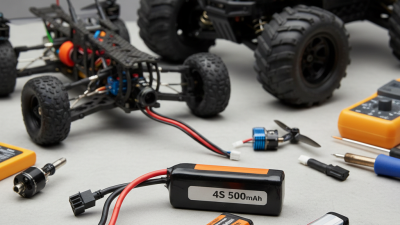
The discharge rate of LiPo batteries is another notable feature. It determines how quickly energy is released. High discharge rates can provide bursts of power for racing drones. However, this may also shorten battery life if not managed properly. Maintaining balance during charging is tricky as well. A slight imbalance can lead to performance issues.
LiPo Battery Performance Characteristics
This bar chart illustrates key performance characteristics of Lithium Polymer (LiPo) batteries, highlighting their energy density, cycle life, charge time, and discharge rate. LiPo batteries are known for high energy density and fast discharge rates, making them popular for various applications.
Components of a LiPo Battery Explained
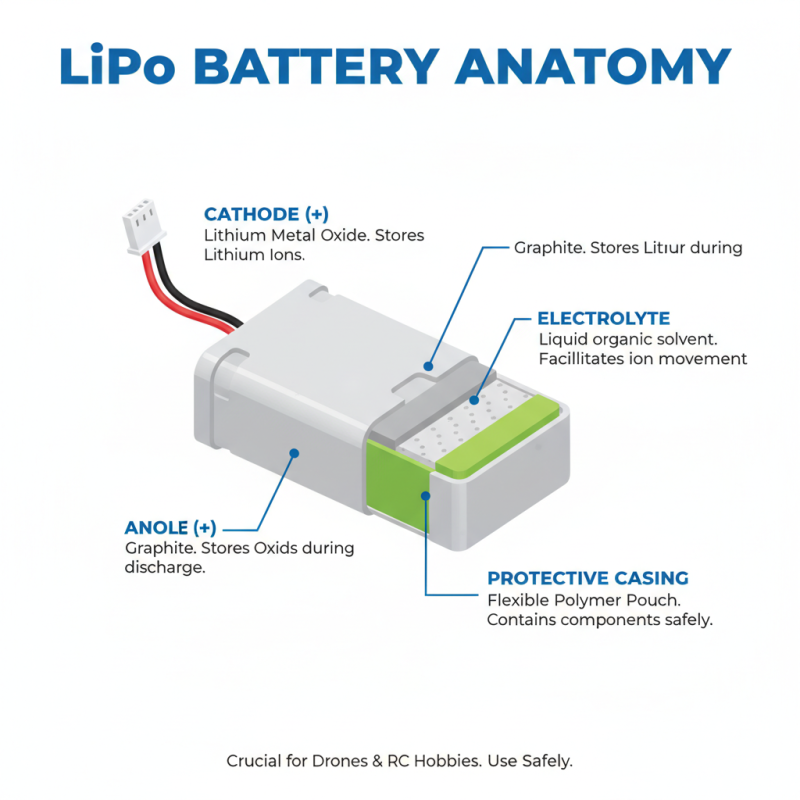
A LiPo (Lithium Polymer) battery is increasingly popular, particularly in drones and RC hobbies. Understanding its components is crucial for safe and efficient usage. Each LiPo battery consists of several key elements: the anode, cathode, electrolyte, and protective casing.
The anode is typically made from carbon-based materials. It stores lithium ions during the discharge phase. The cathode, often composed of lithium metal oxide, releases these ions during charging. An electrolyte, usually a lithium salt in an organic solvent, allows ions to flow between the anode and cathode. Lastly, the battery’s protective casing prevents leaks and damage.
Tips: Always monitor the voltage levels of your LiPo batteries. Overcharging can lead to swelling or even fires. In fact, data shows that nearly 30% of LiPo fires occur due to improper charging practices. Proper storage also matters. Keep batteries at a partial charge, ideally between 30%-50%, for longevity. Regularly inspect for any bulges or signs of wear, as neglected batteries can become hazardous.
How LiPo Batteries Store and Release Energy
LiPo batteries, or lithium polymer batteries, are widely used for various applications. They work through a complex electrochemical process. Understanding how they store and release energy is crucial for safe usage.
Inside a LiPo battery, there are layers of materials that react chemically. These layers consist of a positive and negative electrode, separated by an electrolyte. When charging, lithium ions move from the positive to the negative electrode. This movement stores energy in the battery. When discharged, the reverse occurs, releasing energy to power devices.
The energy release can be rapid, making LiPo batteries popular in RC toys and drones. However, they require careful handling to avoid overheating or swelling. This vulnerability to damage can lead to performance issues. Users often overlook the importance of proper maintenance, which can result in shortened battery life. Balancing performance with safety is a constant challenge in using these batteries effectively.
Understanding the Charging Process of LiPo Batteries
Charging a LiPo battery is a delicate process that requires attention and precision. These batteries are popular in many electronic applications due to their lightweight and high energy density. However, improper charging can lead to significant risks, including battery damage or even fire. The charger must be specifically designed for LiPo batteries, ensuring the correct voltage and current levels are applied.
During charging, the process typically involves two stages: constant current and constant voltage. Initially, a constant current is applied until the battery reaches a specific voltage. Then, the voltage is held steady while the current gradually decreases. It’s crucial to monitor this process closely. Overcharging can cause swelling, heat, or leakage, which can be hazardous. Many users might assume all chargers are equal, but this can lead to dangerous situations.
Understanding the charging process helps prevent potential mishaps. It’s not just about plugging in and walking away. Regular checks on the battery's temperature and voltage during charging are necessary. If you notice anything unusual, it’s worth pausing and reassessing. Learning from past mistakes is vital. A little caution goes a long way in ensuring safety and battery longevity.
Common Applications and Benefits of LiPo Technology
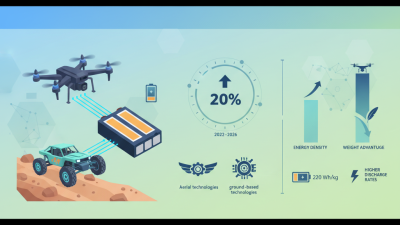
Lithium Polymer (LiPo) batteries have gained traction in various fields due to their lightweight and flexible design. These batteries are commonly used in drones, remote-controlled vehicles, and portable electronics. According to a recent market analysis, the global LiPo battery market is expected to grow by 15% annually, reaching $30 billion by 2025. This increase reflects a rising demand for lightweight power sources in consumer electronics and industrial applications.
One of the significant benefits of LiPo technology is its high energy density. It allows devices to operate longer on a single charge. For instance, a typical LiPo battery can deliver up to 150 Wh/kg, which is superior to traditional nickel-metal hydride counterparts. However, they also require careful handling. The risk of punctures and overcharging can lead to safety hazards. Data shows that improper use results in a small percentage of battery failures, prompting manufacturers to stress safety protocols.
LiPo batteries are also versatile in terms of form factor and design. Their flat and pouch-like shape enables them to fit into tight spaces within devices. This flexibility contributes to the sleek designs we see in modern gadgets. Yet, it's essential to consider the environmental impact of these batteries. Recycling options are limited, leading to questions about sustainability. Improved recycling methods must be developed to minimize the environmental footprint of LiPo technology.
What is a Lipo Battery and How Does It Work? - Common Applications and Benefits of LiPo Technology
| Dimension |
Details |
| Chemical Composition |
Lithium Polymer |
| Voltage Range |
3.7V nominal per cell |
| Common Usage |
RC Vehicles, Drones, Smartphones, Laptops |
| Charging Time |
1 to 2 hours typically |
| Advantages |
Lightweight, High energy density, Low self-discharge rate |
| Drawbacks |
Sensitive to overcharging, Requires special chargers |
| Lifespan |
300 to 500 charge cycles |

 +86-13928815851
 CONTACT NUMBER
 CONTACT NUMBER