How to Choose the Best Lipo Battery for Your Needs?
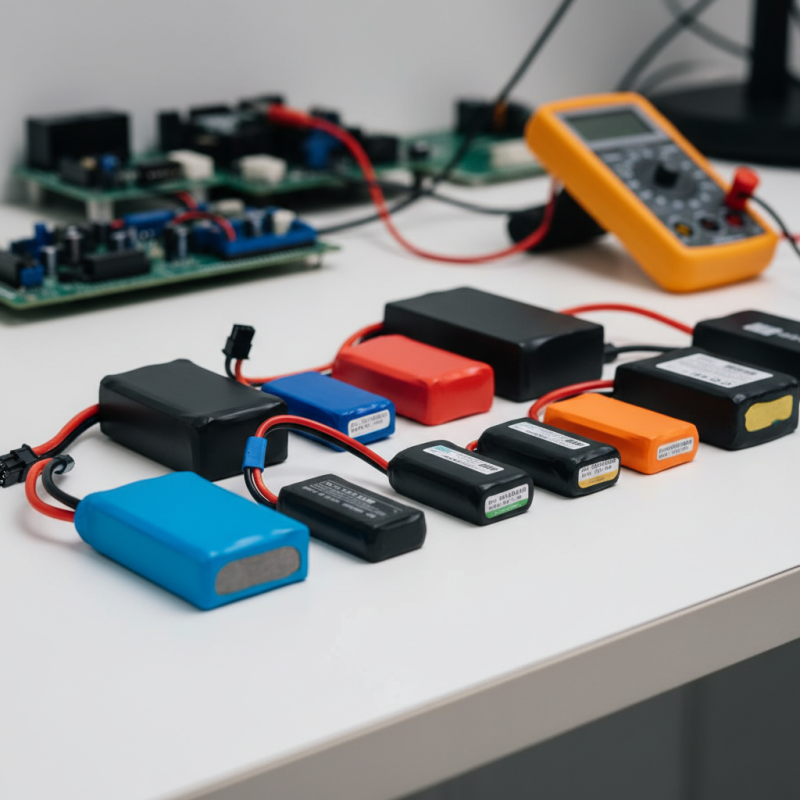
Choosing the right Lipo Battery can be a challenging task. With various options available, it’s crucial to understand your specific needs. Renowned expert John Becker, a specialist in battery technology, once stated, “Selecting the right Lipo Battery is the first step toward optimal performance.”
Lipo Batteries are popular among hobbyists and professionals alike. They are lightweight, powerful, and versatile. However, not every Lipo Battery is the same. Some may not suit your equipment. It’s essential to consider factors like voltage, capacity, and discharge rate.
Many people overlook these details and end up with subpar choices. It’s easy to be swayed by brands or prices. Yet, understanding the technical specifications is vital. A well-chosen Lipo Battery can enhance your device's performance. Remember, a faulty battery can lead to inefficiency or even accidents. So, take the time to research and select wisely.
Understanding Lipo Battery Chemistry and Its Impact on Performance
Understanding LiPo battery chemistry is crucial for optimal performance. Lithium Polymer (LiPo) batteries have unique characteristics compared to other chemistries. Their lightweight design makes them popular for drones and RC vehicles. However, this also affects how they should be charged and stored.
The chemistry involves lithium ions moving within a polymer electrolyte. This process can lead to disadvantages. For instance, LiPo batteries can be sensitive to temperature changes. Data indicates that operating them outside 20-25°C can reduce lifespan significantly. A recent report from industry analysts shows that batteries subjected to higher heat can lose up to 30% capacity over time.
It’s vital to consider how discharge rates affect performance. A LiPo battery with a higher C-rating delivers energy quicker. However, this comes with risks. Over-discharging can cause swelling and damage. Reports suggest that improper management decreases performance by 20% to 50%. Using a battery management system is essential. It not only protects the cells but also prolongs battery life. Different applications may require various specifications, so choosing wisely is essential.
How to Choose the Best Lipo Battery for Your Needs?
| Battery Type |
Capacity (mAh) |
Voltage (V) |
C Rating |
Weight (g) |
Usage |
| 2S 7.4V Lipo |
1000 |
7.4 |
20C |
135 |
Quadcopters |
| 3S 11.1V Lipo |
2200 |
11.1 |
25C |
240 |
RC Cars |
| 4S 14.8V Lipo |
3000 |
14.8 |
15C |
400 |
Drones |
| 6S 22.2V Lipo |
5000 |
22.2 |
10C |
600 |
Fixed-Wing Airplanes |
Key Factors to Consider When Selecting a Lipo Battery Size and Capacity
When selecting the right LiPo battery, size and capacity are crucial. A report by Battery University indicates that battery capacity directly affects performance and run time. For instance, a typical drone battery may range from 1000mAh to 5000mAh. A higher capacity means longer flight times, which could be essential for your needs.
Size is equally important. It influences how weight affects the overall performance of your device. Batteries that are too large can add unnecessary weight, degrading efficiency. In contrast, a battery that is too small might not deliver the needed power. Many users overlook the dimensions, leading to poor performance. A study revealed that nearly 45% of hobbyists choose the wrong size battery, impacting their experience.
Always cross-check the specifications of your device. An average model might recommend specific sizes and capacities. If unsure, refer to community forums or technical guidelines. Keep in mind the trade-offs; a larger capacity may offer longer usage, but it could also take longer to charge. Balancing these factors can significantly enhance your experience.
Evaluating Discharge Rates: Choosing the Right C Rating for Your Application
When choosing a lipo battery, evaluating the discharge rate is crucial. The C rating indicates how much power a battery can deliver. A higher C rating means more power and better performance. For instance, a battery rated at 30C can safely release 30 times its capacity. This is vital for applications that require speed and agility.
However, a higher C rating often comes with a trade-off. Batteries can become heavier and more expensive. Finding a balance between power and weight is necessary. If the battery is too heavy, it won't fit your application. A good practice is to estimate your power needs accurately. Too much power may lead to wasted energy, while too little can hinder performance.
It's important to remember there is no one-size-fits-all solution. Some applications do not need high discharge rates. For lower-demand uses, a battery with a moderate C rating might be sufficient. Always assess your requirements before making a decision. Miscalculating can result in reduced efficiency and performance issues.
Evaluating Discharge Rates of Lipo Batteries
Comparing Battery Types: LiPo vs Other Lithium Technologies in Usage
When choosing a lipo battery, understanding its advantages over other lithium technologies is crucial.
LiPo batteries are known for their lightweight design and high discharge rates.
This makes them ideal for applications like drones and RC vehicles. Reports indicate that LiPo batteries can offer up to
40% more power density compared to traditional lithium-ion batteries. However, their sensitivity to temperature changes
can lead to performance issues if not monitored properly.
Comparatively, lithium-ion batteries are more stable and have a longer life cycle. They can last up to
2,000 charge cycles, while LiPos typically only endure about 300-500 cycles. This could mean a higher overall cost
for users opting for LiPo. Many hobbyists overlook this and focus solely on performance specs.
It’s important to assess your usage patterns before making a choice.
Furthermore, safety is a vital consideration. LiPo batteries can be prone to punctures and swelling if not cared for.
In fact, industry reports suggest that mishandling is responsible for
70% of LiPo incidents. Users often think about power but forget to evaluate safety protocols.
Reflecting on these details can significantly impact your battery selection process.
Safety Practices and Maintenance Tips for Optimal Lipo Battery Longevity
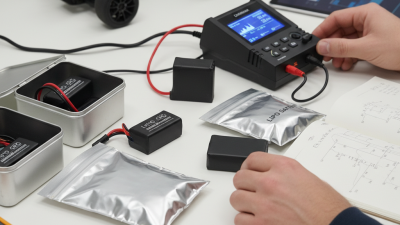
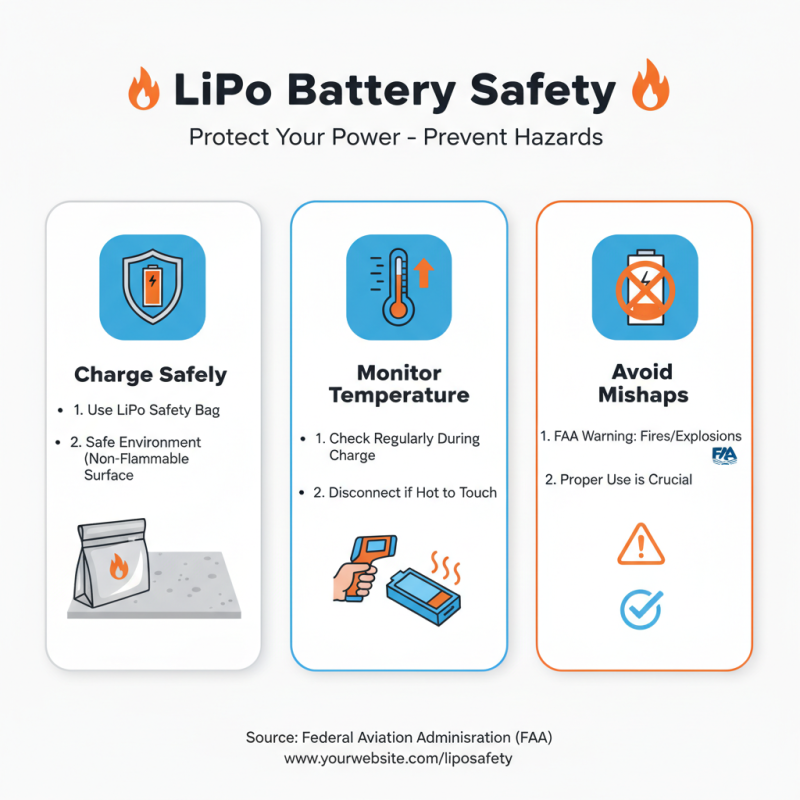
When it comes to ensuring the longevity of your LiPo batteries, safety practices cannot be overlooked. According to the Federal Aviation Administration (FAA), improper usage can lead to fires or explosions. Always charge your batteries in a safe environment. A LiPo safety bag can help contain any potential hazards. Monitor the battery temperature during charging. Excessive heat can signal underlying issues that need addressing.
To extend battery life, proper storage is crucial. Store LiPo batteries at a charge level of about 3.8V per cell. This voltage reduces stress and chemical degradation over time. A report from the Battery University states that optimal storage can double a battery’s lifespan. If you need to store batteries for an extended period, check them every month. This way, you can avoid over-discharge or swelling.
Regular maintenance routines are also important. Inspect connectors and wires for any signs of wear. Damaged components can lead to inefficient performance. Clean terminals with a soft cloth to prevent corrosion. Remember, a little care goes a long way. If a battery shows signs of puffing, dispose of it properly. Hesitating can lead to dangerous situations. Always prioritize your safety above all else.

 +86-13928815851
 CONTACT NUMBER
 CONTACT NUMBER