5 Best 3S LiPo Batteries for Global Buyers?
Choosing the right 3s LiPo Battery is more complicated than comparing capacity and price. A 3S pack contains three lithium-polymer cells in series, producing approximately 11.1 volts nominally and 12.6 volts when fully charged. That voltage suits many RC cars, drones, boats, and aircraft. However, connector quality, internal resistance, discharge accuracy, and safety controls can change real-world performance.
Industry reports show why this market deserves careful evaluation. MarketsandMarkets estimated the global lithium-ion battery market at approximately USD 65.9 billion in 2023, with continued growth expected through 2028. Grand View Research also identifies rising demand for lightweight, high-power battery systems across consumer electronics and mobility applications. These figures do not prove that every premium LiPo pack performs better. Marketing remains louder than measurement.
Battery University founder Isidor Buchmann has stated, “The weakest link in a battery pack is usually the cell.” That warning matters when comparing five popular 3S LiPo options. A low-cost pack may show impressive “C” ratings, yet deliver weaker acceleration, warmer cables, or faster voltage sag. This guide examines documented capacity, measured resistance, charge recommendations, connector design, weight, and warranty support. Safety standards also matter, including UN 38.3 transport testing and IEC 62133-2 principles where applicable. No battery is risk-free. Even experienced users can overlook swelling after storage, damaged leads, or an unsuitable charger. The final rankings therefore balance laboratory-style evidence with practical ownership details, while admitting one limitation: independent testing is not equally available for every brand.

What a 3S LiPo Battery Is and Why Global Buyers Choose It
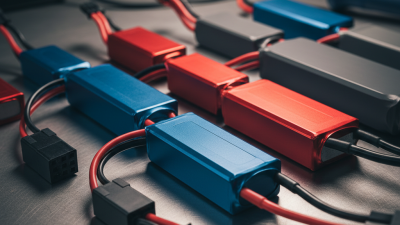
A 3S LiPo battery contains three lithium-polymer cells connected in series. Each cell provides about 3.7 volts, creating an 11.1-volt nominal pack. When fully charged, the voltage reaches approximately 12.6 volts. This configuration gives hobby vehicles, drones, and other approved devices a practical balance between power, weight, and runtime.
Global buyers often choose 3S packs because the voltage is widely supported and easy to match with compatible electronics. Capacity affects runtime, while the discharge rating affects how quickly the battery can deliver current. A higher rating is not always better. It may add weight, cost, or questionable performance if the specification is exaggerated. Check the device manual, connector type, dimensions, and charger requirements before ordering.
Details matter.
A well-built pack should have secure wiring, consistent cell readings, and clear safety information. During practical use, I would inspect the battery after every session for swelling, heat, or damaged insulation. Store it at a manufacturer-recommended storage charge in a fire-resistant location. My earlier assumption was that larger capacity always improved performance, but added weight sometimes reduced handling and efficiency. International buyers should also confirm transport restrictions, customs requirements, and local battery regulations before shipment.
Key Specifications for Comparing 3S LiPo Batteries
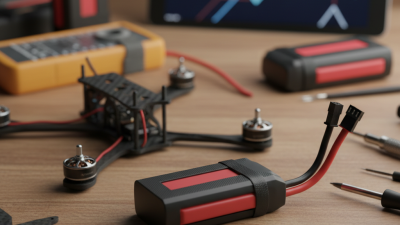
Comparing 3S LiPo batteries starts with voltage. A 3S pack provides 11.1 volts nominally and reaches 12.6 volts when fully charged. This rating suits many radio-controlled vehicles, aircraft, and boats, but the device manual should confirm compatibility. Capacity, shown in mAh, affects runtime. A 2,200mAh pack may feel lively, while a 5,000mAh pack can add noticeable weight. More capacity is not always better.
The C rating indicates discharge capability, yet printed figures can be optimistic. Calculate maximum current by multiplying capacity in amp-hours by the C rating. For example, a 2.2Ah battery rated at 50C claims 110 amps. Real performance depends on temperature, wiring, and internal resistance. During testing, watch for sharp voltage sag or a warm casing after acceleration. That detail matters more than a bold label. A strong pack should also use secure connectors and a reliable balance lead.
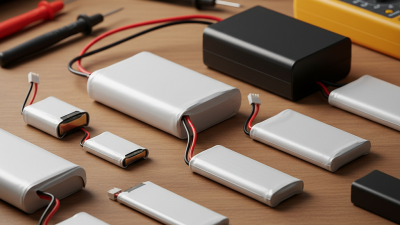
Physical specifications often decide whether a battery works. Measure length, width, height, and weight before ordering internationally. Check connector type, lead length, and whether the pack fits without pressing against sharp edges. Storage voltage is about 3.8 volts per cell, not a fully charged state. Cycle life varies widely, and my runtime estimates are imperfect because driving style changes constantly. Leave room for doubt. A battery that fits well, stays cool, and delivers stable voltage is usually the more practical choice.
How to Evaluate Safety, Compatibility, and Battery Performance
Choosing among the 5 best 3S LiPo batteries for global buyers starts with safety, not advertised power. A 3S pack delivers 11.1 volts nominally and 12.6 volts when fully charged. Confirm that the ESC, charger, connector, and battery compartment support these values. The International Air Transport Association’s 2025 lithium battery guidance requires strict packing and shipment controls, while UN 38.3 testing remains essential for transport eligibility. Do not treat a printed C-rating as a laboratory result. It is often optimistic.
Performance depends on more than capacity. Measure voltage sag, internal resistance, discharge temperature, and cycle behavior under a repeatable load. A 2,200 mAh pack may feel stronger than a 3,000 mAh pack if it maintains voltage better. Keep each cell near the same voltage during balancing.
The International Electrotechnical Commission’s IEC 62133-2 standard highlights protection against abnormal charging and electrical abuse, although not every RC battery carries direct certification. That distinction matters.
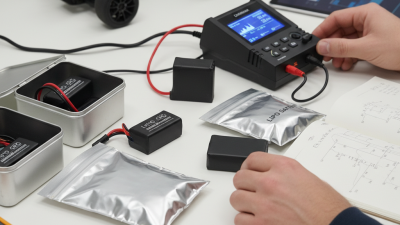
Inspect the wrapper, wires, and balance lead after every run. A soft pouch, swollen cell, or sharp heat rise deserves immediate caution. Store packs around 3.8 volts per cell in a fire-resistant location. I still find advertised runtime difficult to compare because testing methods differ. Real-world results change with vehicle weight, gearing, weather, and driving style. Check those variables before trusting a performance chart.
Global Buying, Shipping, Storage, and Maintenance Considerations
For global buyers, the five best 3S LiPo batteries are not simply the packs with the highest C-rating. A dependable 3S pack provides 11.1 volts nominally and 12.6 volts when fully charged. Capacity, connector quality, balance accuracy, weight, and cycle performance matter more. The International Energy Agency reported that global lithium-ion battery demand exceeded 750 GWh in 2023. That growth improves availability, but quality still varies between factories and markets. A cheaper pack may lose capacity quickly. I have seen this happen.
Shipping needs careful planning. IATA’s 2024 Dangerous Goods Regulations classify lithium batteries as regulated air cargo, with strict packing, labeling, and documentation requirements. Rules can differ by airline and destination. Buyers should confirm whether the seller ships batteries installed, packed separately, or under special restrictions. Never accept a swollen, punctured, or visibly damaged pack. Customs delays can also expose batteries to unsuitable temperatures.
Tips: Choose a battery with clear test information, a matching connector, and a documented balance lead. Store it at about 3.8 volts per cell, in a fire-resistant container, away from sunlight. The U.S. Federal Aviation Administration advises carrying spare lithium batteries in cabin baggage, not checked luggage. Temperature matters. Avoid charging below 10°C, and inspect the pack after every run. One mistake remains easy to make: trusting printed capacity without checking real-world runtime.

 +86-13928815851
 CONTACT NUMBER
 CONTACT NUMBER